One Saturday. Ten builders.
Our first open Saturday at the studio. About ten kids, one afternoon, and a table full of boards. By the end there was a gas detector that actually trips, a robot you drive from a browser, and a handful of games the kids built by directing AI. Here’s exactly what happened.
A taster is meant to answer one question for a parent: is this actually for my kid? So we don’t do a talk. We put real hardware and real AI tools in front of the kids and let them make something they can point at three hours later.
The room split naturally across the studio’s lanes — some kids went deep on wiring sensors, others sat with the AI and built games, a few did both. Nobody sat through a lecture. Everyone left with a build.
Three lanes, one table.
Engineering
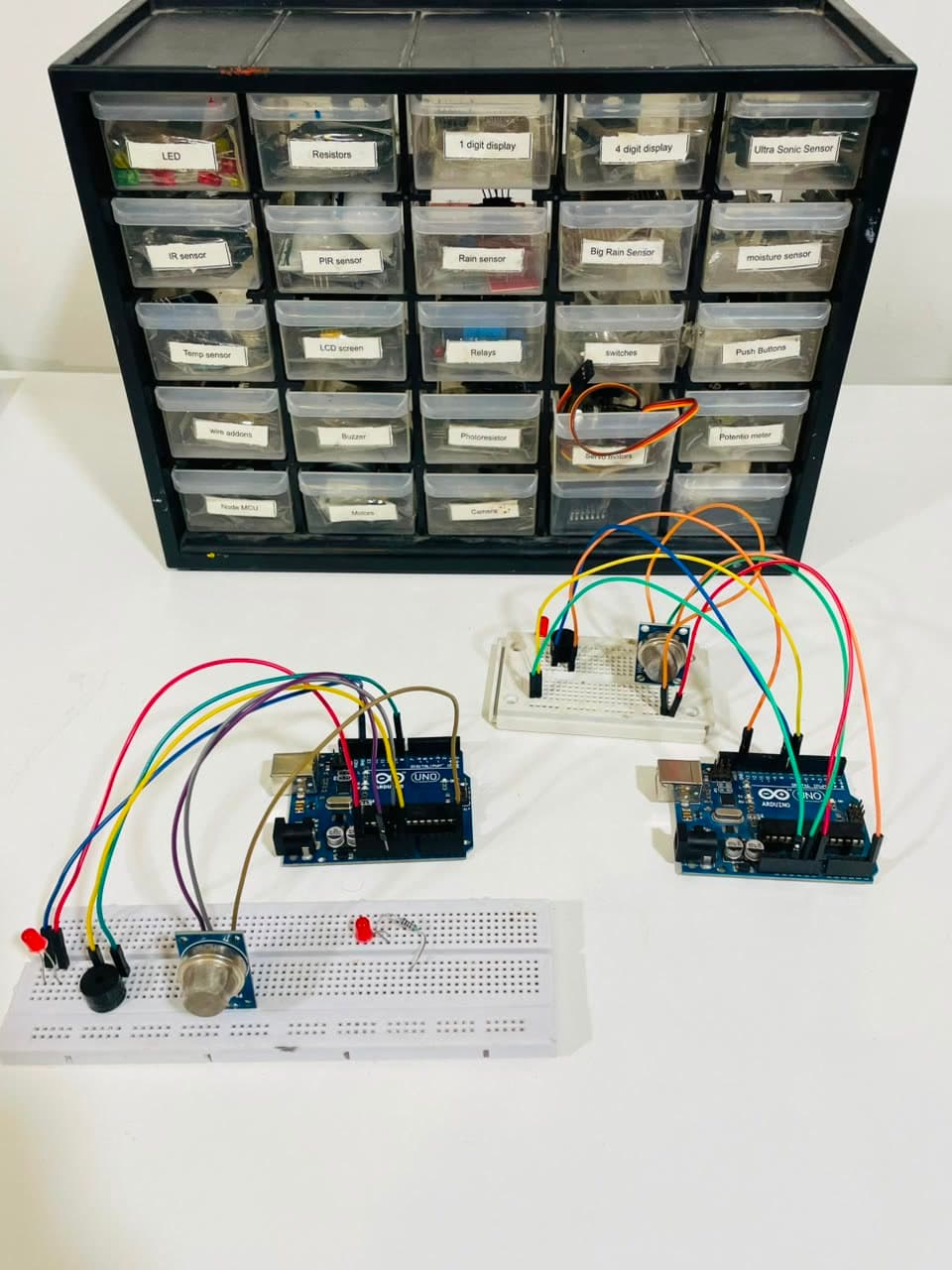
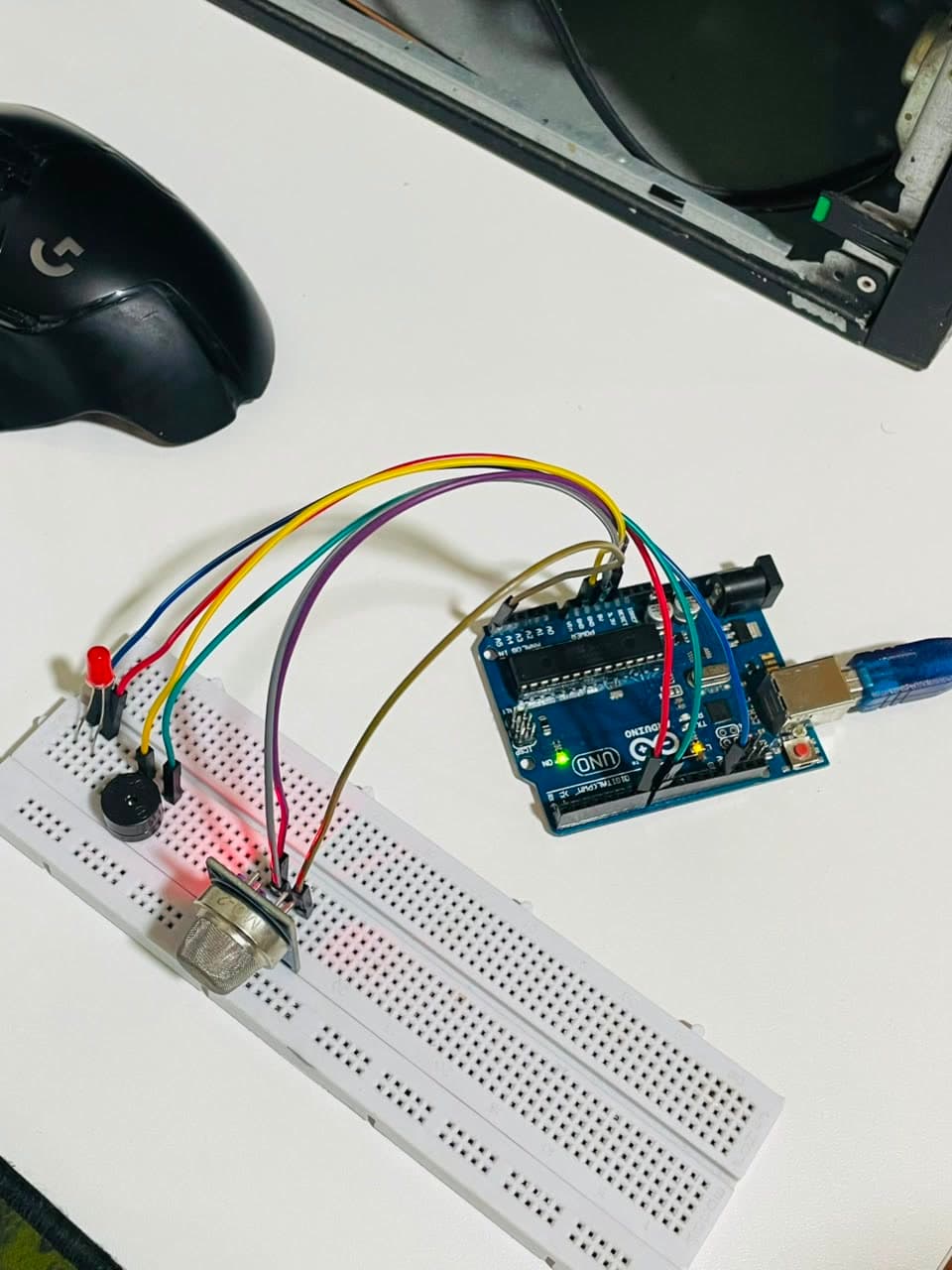
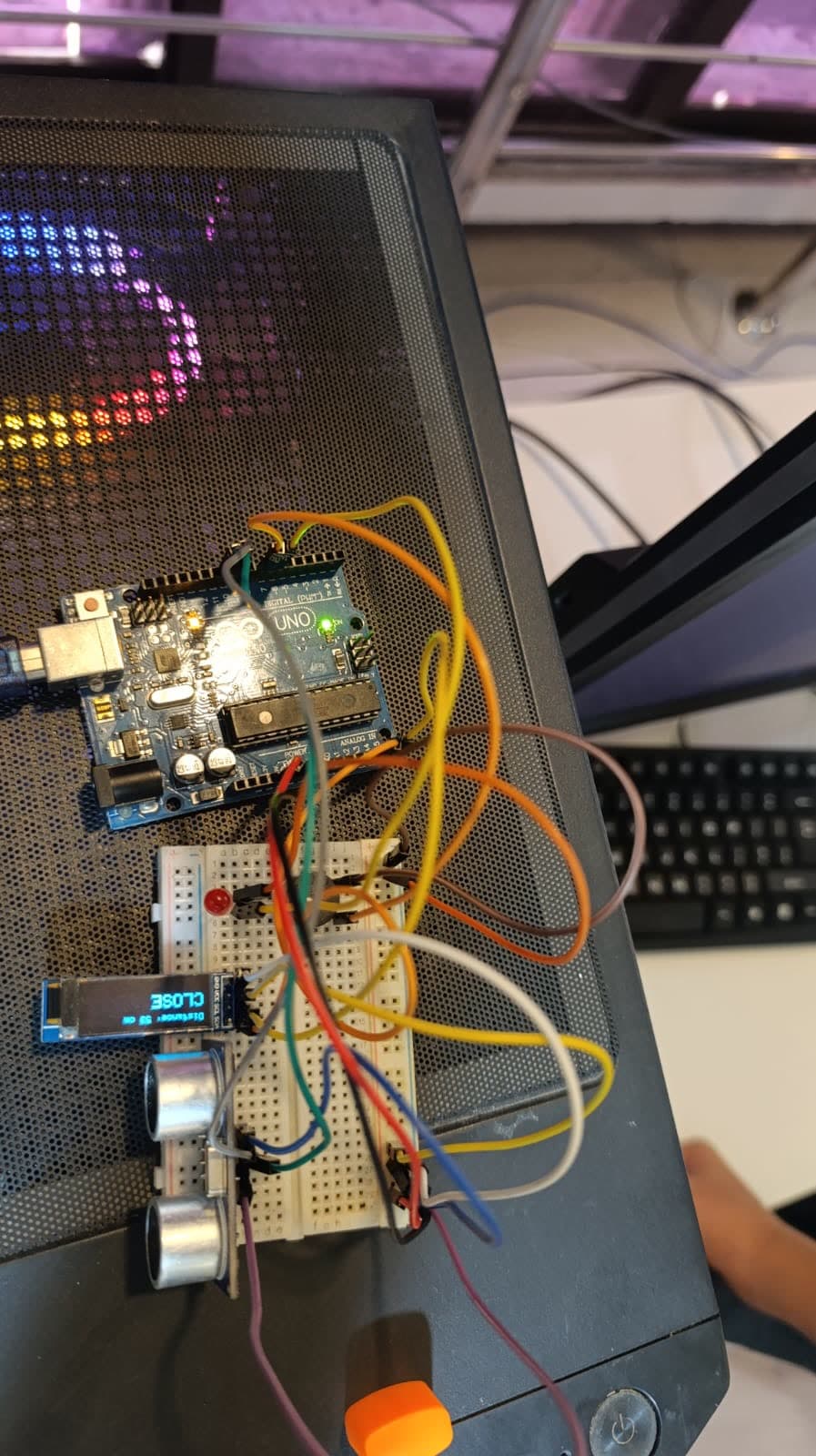
Real breadboards, real sensors. Kids wired an MQ-2 gas sensor, an ultrasonic distance sensor, and NodeMCU boards — then watched the readings come alive on a web page.
Code · build with AI
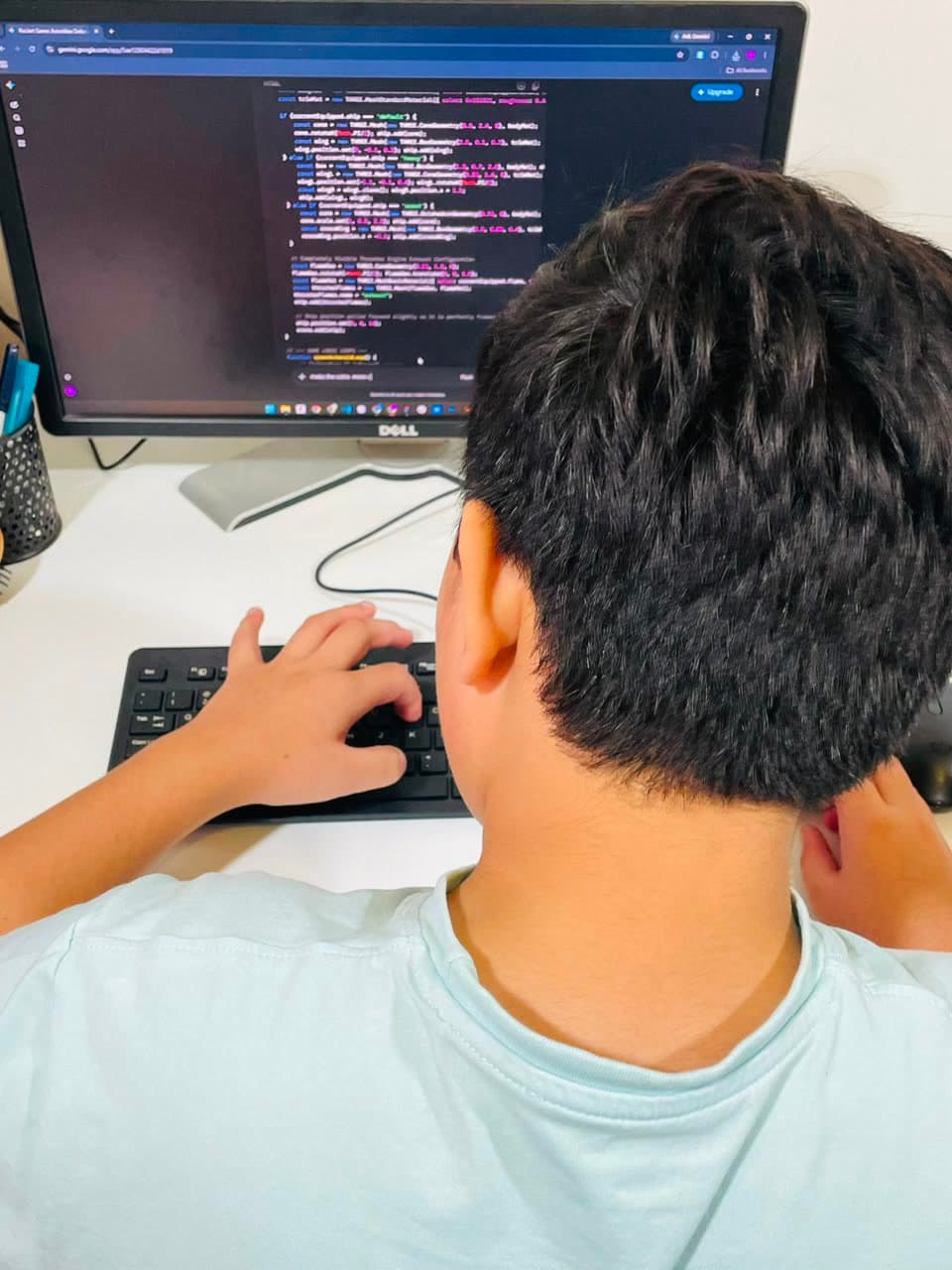
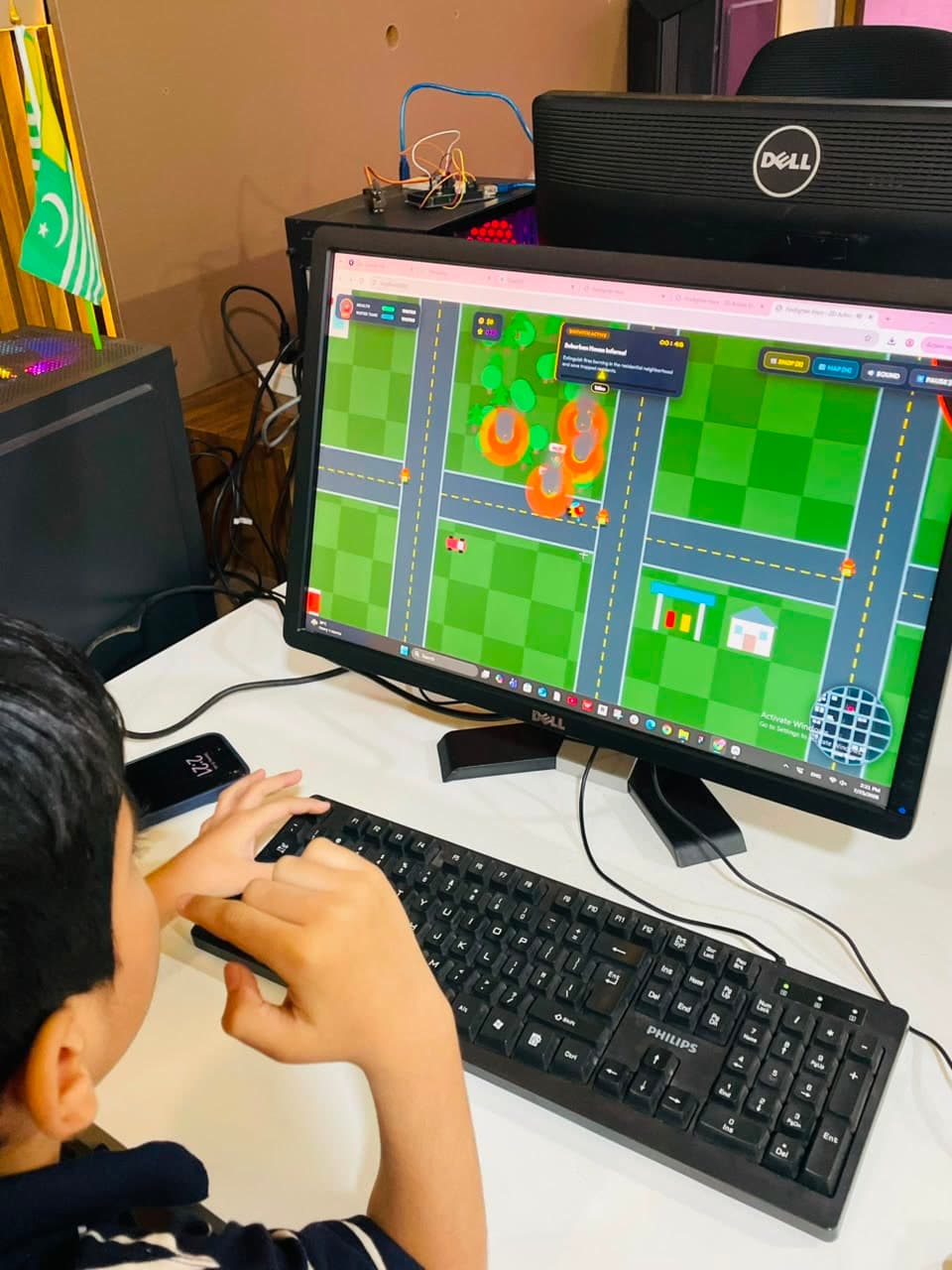
Kids sat with Google's Gemini and directed it to build browser games — a 3D space game, an arcade shooter, a firefighter game — then played and tweaked what they'd made.
Art
AI-made images and a bit of hands-on making — the lightest lane, and a good breather between the wiring and the code.
And it actually works.
The point of a build isn’t the wiring diagram — it’s the moment it does the thing. Two of the afternoon’s builds, running:
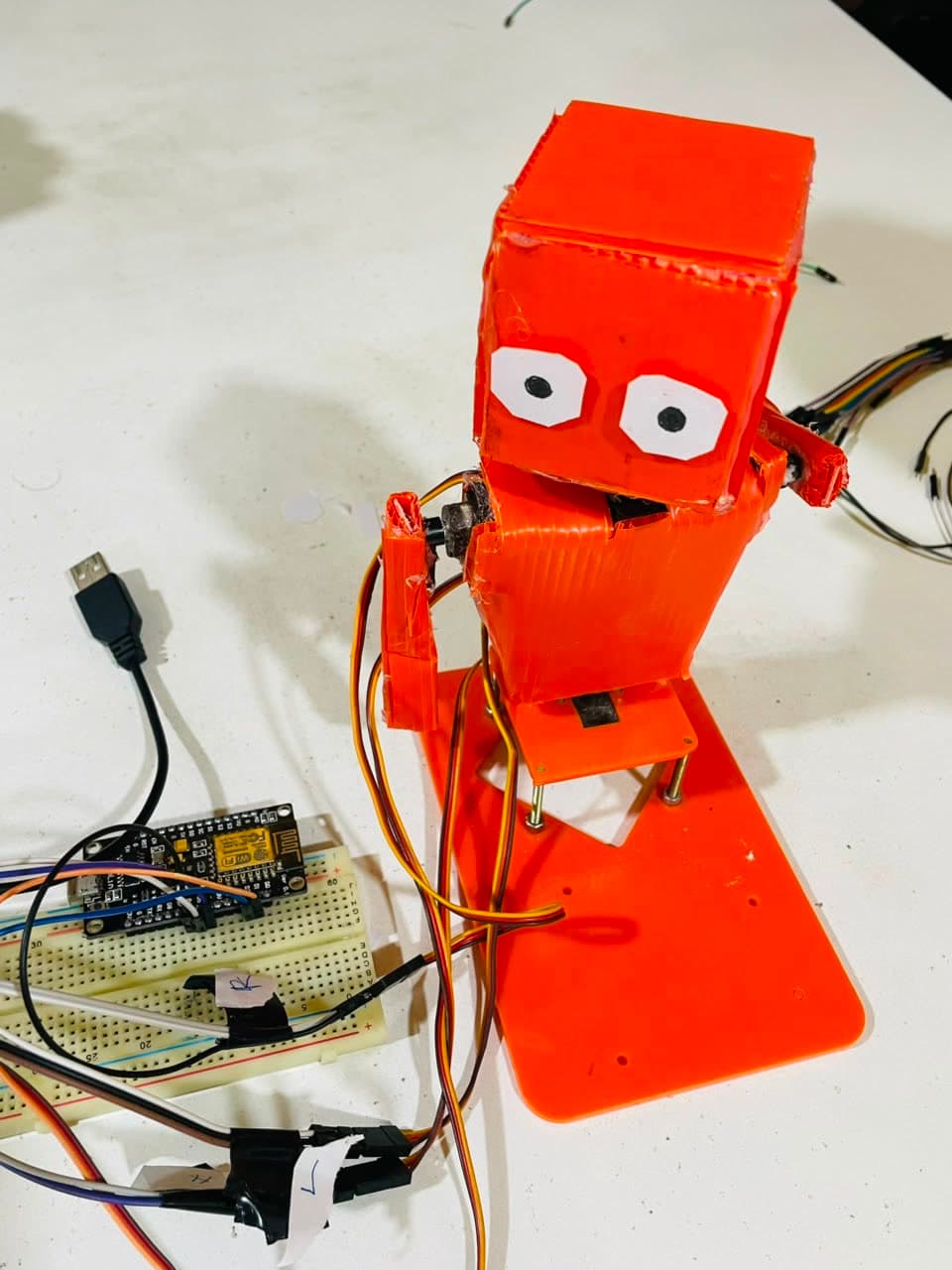
A servo robot, driven from a browser
A 3D-printed robot the kids assembled, wired to a NodeMCU — waving, nodding and dancing on command from a web page. No app, no code to run: type it, and it moves.
A gas detector that trips for real
An MQ-2 sensor learns what clean air smells like, then flips a browser dashboard to GAS DETECTED when something's off — with a live graph of the last few minutes.
Every project, tracked.
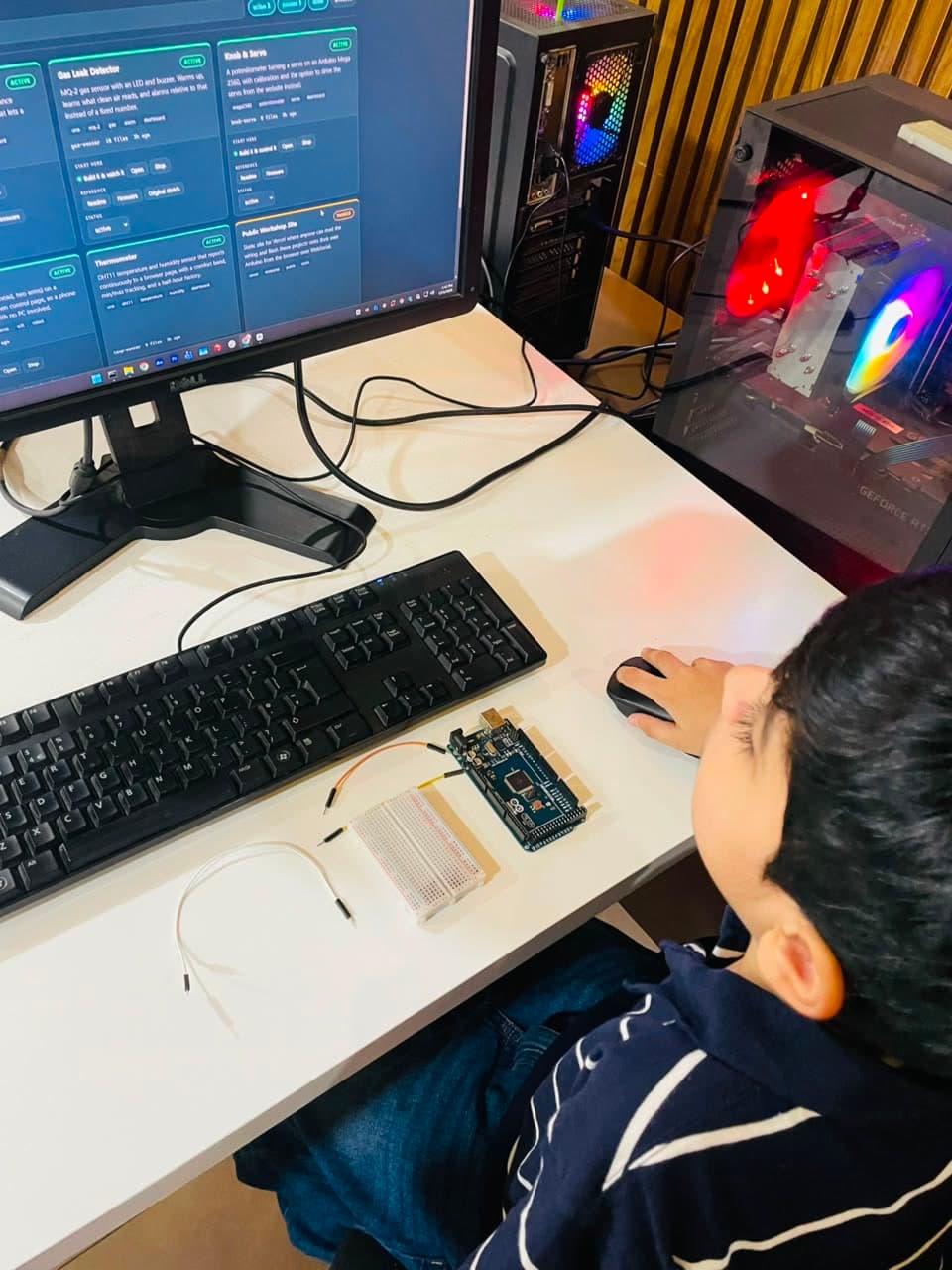
Each build was a real project in our studio app — the gas leak detector, the parking sensor, the servo robot, the thermometer — each with its own how-it-was-built notes. It’s the same tracker that follows a member’s progress once they join, so a parent can always see what their kid is working on.
Honest notes for next time.
We planned too much for three hours.
We had five things we wanted to run and a Saturday only holds so many. The stations that didn't fit are exactly why the ongoing sessions exist — a taster is the door, not the whole house.
The room skewed younger than our pitch.
We aim the studio at 8–17, and most of this group was at the younger end. That's a good problem: the builds held their attention completely, and it's shaping a gentler on-ramp for the youngest makers.
The demos sold it, not the slides.
The moment the gas dashboard flipped to GAS DETECTED — or the robot waved back — is when a kid leaned in. We're building the next session around more of those moments, sooner.
Want your kid in the next one?
Everyone starts with a Rs 3,000 taster — one session where your child builds something real and you both see if it fits. Then Rs 15,000/mo membership if they’re hooked, with each sibling 30% off. Ages 8–17, Bahria Town — Saturdays at the studio, plus online.
The short version, for parents, is on our blog: What ten kids built in one Saturday.